
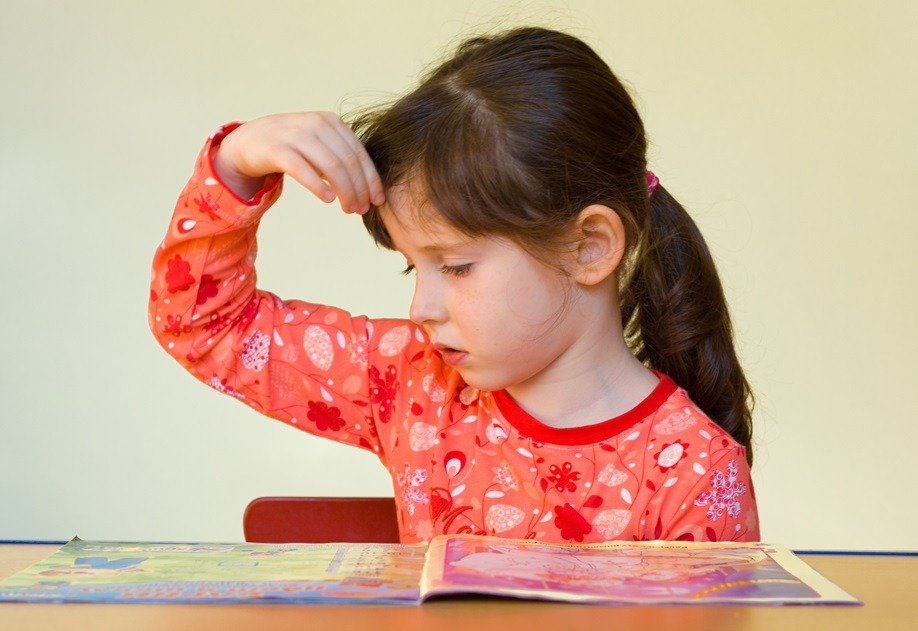
There are reportedly around three children with dyslexia in every classroom. Can creative movement help them?
Little Time
Pressures to work through the curriculum can leave teachers little time to give dyslexic children the support they need. Many pupils go undiagnosed or are only diagnosed after leaving school. So, they often struggle without help for years.
In the 2023/24 academic year, just over 1 in 5 (21.6%) pupils with a Specific Learning Disability (SpLD), such as dyslexia, achieved a grade 5 or above in English and Maths GCSE. This compares with more than half of their peers achieving those grades. Dyslexia can also affect children’s confidence and mental health. Many face humiliation or exclusion at school and some develop anxiety or depression as a result.
Good News
But there’s some good news. Research has shown that dance can help boost self-confidence in people with dyslexia and other neurological conditions. It also promotes brain development and can help to increase empathy. Whilst there is no current evidence to suggest that dance can actively ‘cure’ dyslexia, it does provide a welcome alternative method of both learning and expression. Both of which can have lasting benefits. Did you know, for example, that Darcey Bussell is dyslexic?
The Challenges of Reading
Literacy is one area that can naturally be compromised by dyslexia. There are methods that do work for younger pupils in overcoming the challenges of reading. These largely centre around having appropriate content within a given text. Set books, however, may not meet those criteria. So, a great way to engage with these – and the ideas contained within them – is for children to physicalise their responses.
Curriculum Favourites
When it come to children’s books, Dance Notes’ lessons library has many curriculum favourites to offer . Pupils are encouraged to explore the underlying themes, motifs and messages through playful exploration. And they are rewarded with having created something of their very own.
Titles include:
Where the Wild Things Are (KS1)
Charlie & The Chocolate Factory (KS2)
Vitally Important
And, of course, it’s not only neurodivergent pupils that benefit from engaging with these through movement. Dance can work for all children in helping their self-expression, social cohesion, spatial awareness and more besides. Physical exercise is vitally important and creative thinking is essential to development.
Suggestions Welcome
Do you have a favourite book that’s not yet included here? Is your class studying a children’s classic you’d like them to turn into a dance? We are always open to your suggestions and happy to tackle new topics. Let us know.
Sources:
Dancing with dyslexia: the perfect pas de deux
Dance on the Brain: Enhancing Intra- and Inter-Brain Synchrony
Dancing with dyslexia: How dance helps me express myself
Dyslexia and concentration issues can be improved by Dance
How to Teach Kids With Dyslexia to Read